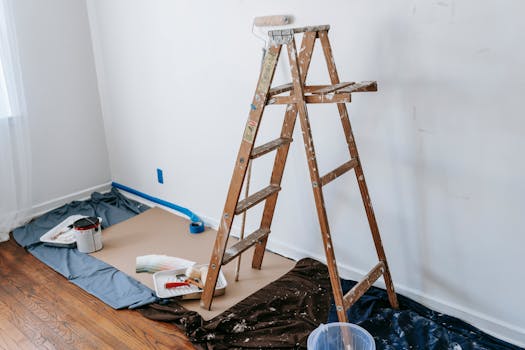
You’ve probably stared at that one wall in your living room, or perhaps the outdated kitchen cabinets, and thought, “This needs a change.” That feeling, that spark of desire for something more in your living space, is the genesis of a home improvement mission. It’s not just about slapping on a coat of paint; it’s a strategic undertaking that can profoundly impact your comfort, your property’s value, and even your daily mood. But how do you move from that fleeting thought to a tangible, successful renovation? Let’s break it down.
Defining Your Mission: What Are You Truly Aiming For?
Before you even pick up a measuring tape or browse Pinterest for inspiration, the absolute first step is clarity. What is the core objective of your home improvement mission? Is it purely aesthetic, aiming to modernize and beautify? Are you driven by functionality, seeking to solve a persistent problem like poor storage or inefficient lighting? Or is this a value-add project, intended to boost your home’s resale appeal?
Aesthetic Goals: Think updated style, new color palettes, enhanced curb appeal.
Functional Needs: Consider improved flow, better organization, energy efficiency upgrades.
Investment Strategies: Focus on high-ROI projects like kitchen or bathroom remodels, or structural improvements.
In my experience, homeowners who clearly define their “why” are far more likely to stay on track and achieve satisfaction. Without this foundational understanding, projects can become bloated, expensive, and ultimately disappointing.
Budgeting: The Unsung Hero of Your Renovation
Let’s face it, money is often the biggest hurdle. A well-defined budget isn’t just about knowing how much you can spend; it’s about how you’ll spend it and anticipating potential overruns. A common pitfall is underestimating costs, which can derail even the best-laid plans.
Here’s a practical approach to budgeting:
Research Material Costs: Get realistic quotes for everything from flooring to fixtures.
Factor in Labor: If you’re hiring professionals, get detailed estimates. Don’t forget about potential surprise labor costs.
Add a Contingency Fund: Always set aside 10-20% of your total budget for unexpected issues. This is crucial; I’ve seen too many projects stall because of unforeseen problems.
Prioritize: If your budget is tight, identify the absolute must-haves versus the nice-to-haves.
Planning Your Project: From Blueprint to Reality
Once your mission and budget are set, it’s time for the nitty-gritty planning. This is where your home improvement mission starts to take shape on paper.
#### Design and Scope: What Exactly Needs Doing?
Detailed Measurements: Measure twice, cut once, as the saying goes. Accurate measurements prevent costly mistakes.
Material Selection: Choose materials that align with your aesthetic, functional, and budget goals. Consider durability and maintenance.
Phasing the Project: If you’re tackling a large renovation, can it be broken down into manageable phases? This can make it less overwhelming and easier on your wallet.
Permits and Regulations: Understand if your project requires permits. Ignoring this can lead to significant headaches and fines down the line.
#### Do-It-Yourself vs. Hiring Professionals: A Critical Decision
This is a significant fork in the road for any home improvement mission. While DIY can save money, it demands time, skill, and a willingness to learn.
DIY Advantages: Cost savings, personal satisfaction, learning new skills.
DIY Disadvantages: Time commitment, potential for errors, tool acquisition costs, safety risks.
Professional Advantages: Expertise, efficiency, quality craftsmanship, often faster completion.
Professional Disadvantages: Higher cost, need to find reliable contractors.
For complex electrical, plumbing, or structural work, hiring a professional is almost always the safer and more effective route. For simpler tasks like painting or installing shelves, DIY can be very rewarding.
Executing Your Mission: Staying on Track and Managing Challenges
The execution phase is where the rubber meets the road. Even with meticulous planning, challenges can arise.
#### Timeline Management: Keeping the Momentum
Realistic Schedules: Create a schedule, but build in buffer time for delays (weather, material availability, contractor issues).
Regular Check-ins: If working with contractors, schedule regular meetings to review progress and address concerns.
Communication is Key: Maintain open and honest communication with anyone involved.
#### Problem-Solving on the Fly
It’s inevitable that you’ll encounter the unexpected. A patch of dry rot behind a wall, an electrical issue you didn’t anticipate, or a delivery delay for crucial materials.
Stay Calm: Panicking won’t help. Take a deep breath and assess the situation.
Consult Experts: If you’re unsure how to handle a problem, don’t hesitate to call in a professional for advice or immediate assistance.
Document Everything: Keep records of any changes, unexpected costs, or problem resolutions. This is helpful for future reference and in case of disputes.
The Payoff: Enjoying the Fruits of Your Labor
Successfully completing your home improvement mission isn’t just about the finished product; it’s about the experience and the long-term benefits. A well-executed renovation can:
Increase Home Value: Smart improvements are an investment that pays dividends.
Enhance Comfort and Livability: Your home should be a sanctuary. Upgrades can make it more enjoyable and functional for your daily life.
Boost Your Mood: Living in a space you love has a tangible positive impact on your well-being.
Wrapping Up: Your Next Step
Embarking on a home improvement mission is a significant undertaking, but with clear objectives, a solid budget, meticulous planning, and a pragmatic approach to execution, the rewards are immense. It’s about transforming a house into a home that truly reflects you and serves your needs.
So, what’s the one area of your home that has been calling out for attention, and what’s the first actionable step you’ll take this week to begin your own transformation?